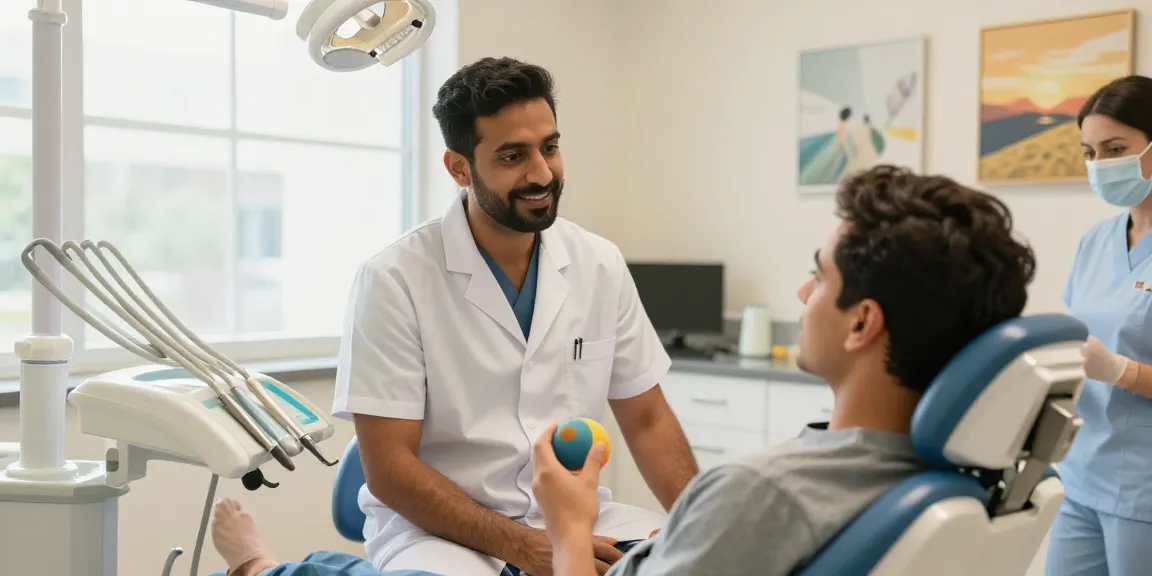

Understanding Hair Transplant Services in Istanbul
Hair loss can be a distressing experience, prompting individuals to seek effective solutions to restore their confidence and appearance. Among various treatment options, hair transplantation has emerged as a prominent choice, particularly in Istanbul, a hub renowned for its advanced medical facilities and skilled practitioners. When exploring options, hair transplant istanbul provides comprehensive insights into the available procedures, clinics, and expected outcomes, making it an appealing destination for many seeking hair restoration.
What Makes Istanbul a Top Destination for Hair Transplants?
Istanbul has positioned itself as a leading destination for hair transplant services for multiple reasons. Primarily, the city offers low-cost procedures without compromising quality. Healthcare professionals in Istanbul are well-trained and experienced, often utilizing cutting-edge techniques and technologies, such as Follicular Unit Extraction (FUE) and Direct Hair Implantation (DHI). Additionally, clinics often provide tailored packages that include consultation, surgery, and aftercare, creating a comprehensive care cycle for international patients.
Overview of the Hair Transplant Procedures Offered
There are several hair transplant methods used commonly in Istanbul, each with unique advantages tailored to individual needs:
- Follicular Unit Extraction (FUE): This minimally invasive method involves extracting individual hair follicles from a donor area, which are then implanted into the thinning or balding areas. Patients benefit from quick recovery times and minimal scarring.
- Direct Hair Implantation (DHI): A more advanced technique that involves directly implanting hair follicles without prior channel creation in the recipient area. This technique allows for greater control over the direction and angle of hair growth, resulting in a more natural appearance.
- Sapphire FUE: Utilizing sapphire blades for the incisions, this method enhances precision and reduces tissue damage, promoting faster healing and optimized hair growth.
How to Choose the Right Clinic for Your Needs
Selecting the right clinic is critical for ensuring optimal results from your hair transplant. Prospective patients should look for clinics with accredited medical staff, positive patient reviews, and transparency in costs and procedures. It’s essential to schedule a personalized consultation where specialists can evaluate your hair loss condition and propose tailor-made treatment plans that cater to your specific needs.
Hair Transplant Procedures: FUE vs. DHI Techniques
Advantages of Follicular Unit Extraction (FUE)
The FUE method is favored for its minimally invasive nature. Patients appreciate reduced post-surgery discomfort and quicker recovery times. Unlike traditional strip harvesting methods, FUE involves no linear scar, enabling more diverse styling options post-treatment. Moreover, this technique offers the ease of donor area harvesting from various body parts, ensuring flexibility and efficiency in follicle extraction.
Understanding Direct Hair Implantation (DHI)
DHI is a state-of-the-art technique praised for its precision and ability to yield natural-looking results. The process allows for immediate implantation of hair follicles after extraction, significantly reducing the time they spend outside the body. This preservation of follicle integrity leads to higher survival rates and is particularly beneficial for patients who prefer a more immediate restoration method.
Choosing the Best Technique for Your Hair Restoration
Ultimately, the choice between FUE and DHI should be based on your individual circumstances, including the extent of hair loss, hair type, and personal preferences. A thorough consultation with a qualified specialist will guide you through the options and help ensure a successful outcome tailored to your needs.
Cost of Hair Transplants in Istanbul
Breaking Down the Costs: What to Expect
The cost of hair transplants in Istanbul can vary significantly depending on the clinic, the method used, and the number of grafts required. On average, patients can expect to pay between $1,800 and $4,500 for the procedure. It’s vital to consider not just the price but also the quality of the service provided and the qualifications of the medical staff involved.
Factors Influencing the Price of Hair Transplant
Several factors can influence the overall cost of hair transplantation:
- Type of procedure: FUE and DHI often have different pricing structures, with DHI typically being a bit more expensive due to its advanced technology.
- Number of grafts: The overall cost will rise with the number of grafts required to achieve desirable results. Patients should have realistic expectations and consult with their providers to determine their needs accurately.
- Clinic reputation: Renowned clinics may charge higher fees, but they often guarantee better results and patient care.
Comparing Hair Transplant Prices Worldwide
Compared to Western countries, Istanbul offers considerably lower prices for hair transplants while still maintaining high-quality standards. For instance, hair transplant costs in the USA can range from $4,000 to over $15,000, while clinics in Istanbul provide competitive pricing along with comprehensive packages, often including accommodation and postoperative care.
Patient Experience: From Consultation to Recovery
What to Expect During Your Hair Transplant Journey
The patient journey begins with a thorough consultation where specialists assess the degree of hair loss and discuss potential treatments. Pre-surgery instructions will be given to prepare the patient adequately. On the day of the surgery, local anesthesia is administered, and patients can expect the procedure to take between 6 to 8 hours, depending on the number of grafts being transplanted. After concluding the surgery, patients are usually advised to follow a tailored aftercare regimen to ensure optimal recovery.
Recovery Timeframes and Aftercare
Post-surgery recovery typically takes a few days, though the initial redness and swelling may last for up to a week. Most patients can return to regular activities within a week, but it might take several months to observe the full results of the transplant. Follow-up appointments will ensure that the healing process is on track and any questions or concerns can be addressed. Aftercare is crucial, and patients will be given specific instructions on how to care for their scalp to promote healing and ensure successful hair growth.
Patient Testimonials and Success Stories
Success stories from previous patients often serve as a testament to a clinic’s capability and reputation. Testimonials reveal the emotional impact of hair restoration, with many patients expressing increased self-esteem and confidence following their procedures. These narratives highlight the importance of proper consultation, skilled surgeons, and attentive post-op care in achieving desired outcomes.
FAQs about Hair Transplants in Istanbul
Is Turkey a Safe Destination for Hair Transplant?
Turkey is considered a safe destination for hair transplants, provided patients do their due diligence in selecting qualified and accredited clinics. Most facilities adhere to internationally recognized safety standards, ensuring that patient welfare is prioritized throughout the care journey.
What is the Success Rate of Hair Transplants in Istanbul?
The success rates of hair transplants in Istanbul are generally very high, with many clinics reporting rates upwards of 95%. Factors influencing success rates include the techniques employed, the skill of the surgeons, and post-operative care adherence. Consulting with previous patients and reviewing outcomes can provide further transparency into a clinic’s success rates.
How Long Lasting Are the Results of a Hair Transplant?
Most patients enjoy long-lasting results from their hair transplant procedures, with hair growth typically beginning to show within three to four months post-surgery. For more information, https://www.sapphirehairclinic.com/ offers valuable insights. As the transplanted hair follicles assimilate into their new environment, they will continue to grow and thicken over time, often lasting a lifetime if properly cared for. However, it’s essential to manage expectations, as some patients still may experience hair thinning in the surrounding areas that may not be treated.